Designing Mouthwatering Social Media Food Banners for Your Brand
Scrolling through Instagram or Pinterest, you’ve seen them: those perfect, drool-worthy food graphics that stop you mid-scroll. Maybe it’s a crisp, close-up of a flaky croissant for a bakery, or a vibrant, colorful salad bowl for a health food brand. The secret behind many of these standout visuals isn’t just a great photo—it’s a thoughtfully designed template that frames the food, communicates the brand, and drives engagement. For creators, marketers, and small business owners in the food space, having a reliable, professional template is a game-changer. It turns a simple food photo into a compelling marketing asset that can elevate your entire online presence.
The Anatomy of an Effective Food-Focused Design Asset
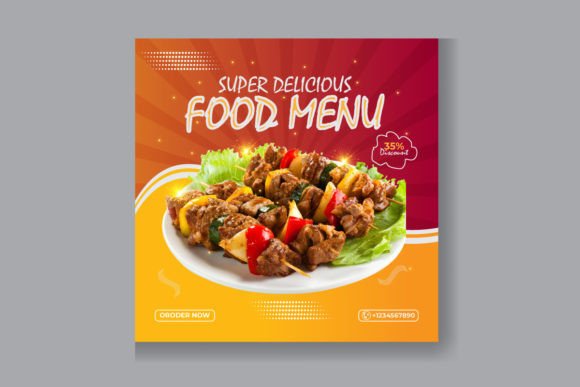
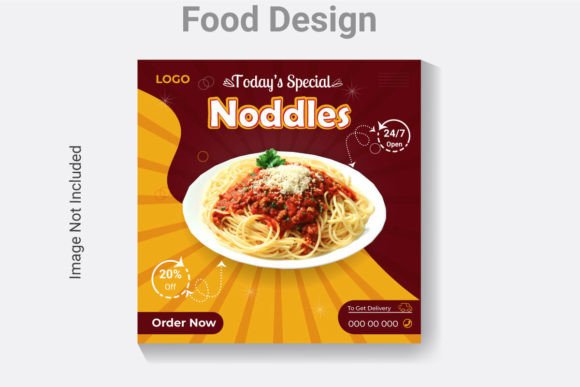
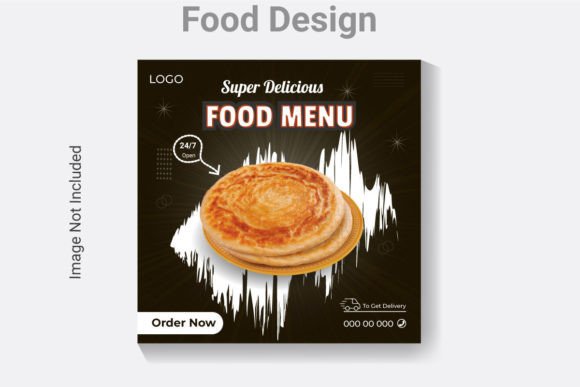
A high-quality social media food banner template is more than just a pretty frame. It’s a strategic tool built for performance. The ideal template, like the one we're discussing, operates at a crisp 500x500 pixel dimension with 300 DPI resolution—ensuring your graphics look sharp on any screen, from a smartphone to a desktop monitor. The RGB color mode is optimized for digital displays, making your reds pop and your greens look fresh. But the real power lies in its editability. When the AI file is well-layered and organized, with fully editable text, fonts, and colors, you’re not just using a template—you’re customizing a brand asset. You can swap out the font to match your brand’s voice, adjust colors to your exact palette, and rearrange elements to suit your specific promotion.
From Template to Brand Identity: Practical Applications
The versatility of a customizable design file extends far beyond a single Instagram post. Consider the breadth of your visual marketing needs. This same template can be the foundation for your Facebook ad graphics, your Pinterest pins driving traffic to a recipe blog, or your Twitter header announcing a weekend special. The included JPG files offer quick, ready-to-use options for time-sensitive posts. For small businesses, this consistency is crucial. Using the same foundational design style across your social media graphics, website banners, and even printed menus or in-store posters creates a cohesive brand identity. Customers begin to recognize your aesthetic before they even read the text, building subconscious trust and recognition.
Choosing the Right Style for Your Culinary Niche
The font pairing you select within the template sets the entire mood. A bold, modern sans serif font can convey a clean, healthy, or contemporary vibe—perfect for a juice bar or a farm-to-table restaurant. Alternatively, a elegant serif font might lend a sense of tradition and quality, ideal for a fine-dining establishment or a gourmet coffee roaster. For artisanal or home-based food businesses, a handwritten or script font can add a personal, approachable touch. The key is to match the typography to your project goals. Ask yourself: What is the primary emotion we want to evoke? Who is our target audience? Testing different font pairings within the template’s editable environment allows you to experiment risk-free until you find the combination that feels authentically *yours*.
Maximizing Readability and Visual Hierarchy
A beautiful design fails if people can’t quickly understand your message. This is where readability considerations come into play. When customizing your food banner, pay close attention to contrast. Ensure your text color stands out sharply against the background image or color block. If your food photo is busy, consider adding a semi-transparent overlay behind the text. A well-organized template file makes this easy by separating text layers from graphic elements. Use the hierarchy to guide the viewer’s eye: your brand name or headline in the largest, boldest font, the key offer or detail in a complementary subheading, and any necessary details (like a date or website) in a smaller, clean font. This structured approach turns a chaotic visual into a clear, professional presentation.
Leveraging Design Assets for Commercial Success
For entrepreneurs and marketers, the value of a premium design asset is measured in its return on investment. A versatile template like this becomes a cornerstone of your marketing assets library. Use it to quickly produce graphics for digital products, like an e-book cover for a recipe collection. Adapt it for packaging design mock-ups to visualize how your branding will look on a bag of coffee or a jar of jam. It’s equally effective for creating invitation graphics for a cooking class or a pop-up dinner event. The included EPS file ensures scalability for larger print materials, like a poster for a farmers' market stall, without any loss of quality. This multi-use capability saves hours of design time and ensures brand consistency across every customer touchpoint.
Final Considerations for Your Creative Toolkit
Before you dive in, a couple of practical notes. First, always verify the commercial licensing for any design asset you use. This ensures you have full rights to use the final designs for your business, whether on merchandise, in paid ads, or on your website. Second, while the template uses a free font, take a moment to explore the font family it’s based on. Understanding its styles—bold, italic, light—can give you more nuanced control over your designs. Ultimately, a thoughtfully crafted social media food banner template isn’t just a shortcut; it’s a launchpad. It provides the professional foundation you need, freeing you up to focus on what you do best: creating, cooking, and connecting with your audience through the universal language of great food.